
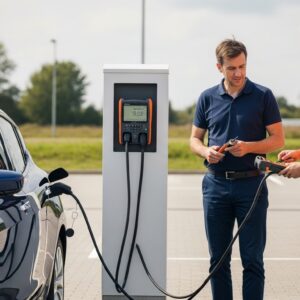
Electric vehicles are becoming more common in driveways across Felton. But once you buy the car, the next big question is: How do I safely charge it at home?
Many homeowners assume installation is simple — just mount a unit and plug it in. In reality, proper EV charger installation involves electrical load calculations, permit requirements, panel evaluation, and safety testing. Done correctly, it’s seamless and safe. Done incorrectly, it can create serious electrical risks.
This guide explains exactly how EV charger installation works — step by step — while answering the real concerns homeowners have before making the investment.
First Question Homeowners Ask: “Is My House Even Ready for an EV Charger?”
This is the most important starting point.
Not every home is immediately ready for a charger. Your electrical panel has a limited capacity (usually 100, 150, or 200 amps). Before installing a home EV charger, an electrician must determine whether your system can handle the additional load.
Here’s what professionals evaluate:
- Current panel amperage
- Existing major appliances (HVAC, dryer, oven)
- Available breaker space
- Overall electrical demand
Some newer homes in Felton already have sufficient capacity. Older homes may require a panel upgrade before adding a charger.
Skipping this evaluation is one of the most common mistakes homeowners make.
Level 1 vs Level 2 Chargers: What’s the Real Difference?
Before installation begins, you’ll need to decide what type of charger fits your lifestyle.
Level 1 Charging
- Uses a standard 120-volt outlet
- Very slow charging (3–5 miles of range per hour)
- May be sufficient for low daily mileage
Level 2 Charging
- Uses a 240-volt dedicated circuit
- Much faster charging (20–30+ miles per hour)
- Ideal for daily commuting
For most homeowners, a Level 2 EV charger makes far more practical sense. It reduces overnight charging time dramatically and ensures your vehicle is ready each morning.
However, Level 2 installation requires professional electrical work and a dedicated breaker.
Step 1: In-Home Electrical Evaluation
The installation process always begins with an inspection.
During this visit, the electrician performs:
- Load calculation to assess capacity
- Panel inspection
- Wiring path planning
- Location assessment (garage vs exterior wall)
This is where real expertise matters. A qualified EV charger installer in Felton will determine whether your current panel can safely support the charger or if upgrades are required.
This step protects your home from overloaded circuits and prevents future problems.
Step 2: Permit & Code Requirements in Felton
Many homeowners ask: Do I really need a permit?
In most cases, yes.
Permits ensure:
- The installation meets electrical code
- Proper breaker sizing
- Safe wiring practices
- Correct grounding and protection
An inspection may follow installation. While permits may seem like an inconvenience, they protect homeowners — especially when selling the home later.
Unpermitted electrical work can create insurance complications and resale delays.
Step 3: Installation Day – What Actually Happens?
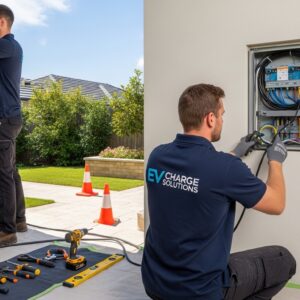
Once your home is confirmed ready, installation typically follows these steps:
1. Mounting the Charger
The charger unit is securely mounted on a wall (usually in a garage or exterior wall near the driveway).
2. Running Dedicated Wiring
A new 240-volt circuit is installed from the electrical panel to the charger location.
3. Installing the Breaker
A properly sized breaker is added to your panel.
4. Final Testing
Voltage, load balance, and safety systems are tested before activation.
This entire process often takes a few hours, unless a panel upgrade is required.
Ready to see if your home is EV-ready? Schedule an evaluation with LR Electrical and get clear answers before investing in equipment.
How Long Does EV Charger Installation Take?
For homes that do not require panel upgrades:
- Inspection visit: 30–60 minutes
- Installation: 3–6 hours
- Inspection (if required): scheduled afterward
If a panel upgrade is needed, the timeline can extend by a day or more depending on permit scheduling.
Planning ahead prevents delays.
How Much Does EV Charger Installation Cost in Felton?
Cost depends on several variables:
- Distance from panel to charger location
- Panel capacity
- Need for upgrades
- Permit requirements
- Type of charger
If your electrical system is already prepared, costs are lower. If upgrades are required, the investment increases.
Be cautious of unusually low quotes. Proper installation requires quality materials, correct breaker sizing, and professional labor.
When evaluating pricing, ask for:
- Itemized breakdown
- Permit inclusion
- Warranty information
- Estimated timeline
Common Mistakes Homeowners Make (And How to Avoid Them)
- Buying a charger before confirming panel capacity
- Hiring unlicensed installers
- Installing on overloaded circuits
- Skipping permits
- Choosing the wrong charger type
Another mistake is assuming every property is identical. Each home’s electrical infrastructure is different.
Professional residential EV charging solutions are tailored — not one-size-fits-all.
Do You Need a Panel Upgrade? (The Honest Answer)
You may need a panel upgrade if:
- Your home has a 100-amp panel and high existing demand
- Your breaker box is full
- You plan future electrical additions
You may not need an upgrade if:
- You have a 200-amp panel
- You have available breaker space
- Your home load calculation supports it
An honest evaluation will clarify this upfront. Not every installation requires major upgrades.
Indoor vs Outdoor Installation: What’s Better?
Both options are safe when properly installed.
Garage Installation
- Protected from weather
- Cleaner cable storage
- Lower exposure to elements
Outdoor Installation
- Convenient for driveway parking
- Weather-rated equipment required
- HOA approval may apply
Your daily routine and parking habits usually determine the best choice.
How Safe Is an EV Charger at Home?
This is one of the biggest concerns homeowners have.
When professionally installed, a charger is extremely safe. Modern units include:
- Ground fault protection
- Overcurrent protection
- Temperature monitoring
- Surge protection compatibility
A properly installed electric car charger does not increase fire risk when code standards are followed.
Safety problems typically arise from improper wiring or overloaded panels — not from the charger itself.
What to Look for in an EV Charger Installer in Felton
Not every electrician specializes in EV installations.
Look for:
- Proper licensing
- Insurance coverage
- Experience with load calculations
- Knowledge of local code
- Clear written estimates
- Warranty on workmanship
Installing a charger is more than mounting hardware. It requires understanding residential electrical systems and long-term load planning.
Is Installing an EV Charger Worth It?
For most EV owners, absolutely.
Benefits include:
- Faster overnight charging
- Convenience
- Lower long-term fuel costs
- Increased property appeal
- Future-ready electrical infrastructure
As electric vehicles become more common, home charging becomes less of a luxury and more of a standard feature.
The key is ensuring installation is done correctly from the start.
Final Thoughts
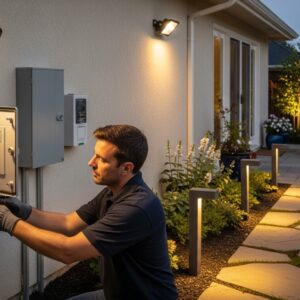
EV charger installation isn’t complicated — but it must be done carefully and professionally. From load calculations to permit compliance, every step ensures safety and long-term reliability.
If you’re considering installing a charger in Felton, start with an evaluation. Understand your panel capacity, choose the right charger type, and work with experienced professionals who prioritize safety and transparency.
Frequently Asked Questions
1. Can I charge my EV using my dryer outlet?
Technically possible with adapters, but not recommended without professional evaluation. Shared circuits can overload.
2. Will charging significantly increase my electric bill?
It depends on driving habits. Most homeowners see a manageable increase compared to fuel costs.
3. Can I install a charger myself?
DIY installation is risky and often violates local code. Professional installation ensures safety and compliance.
4. Does installing a charger increase home value?
In many markets, EV-ready homes are becoming more attractive to buyers.
5. What maintenance does a charger require?
Very little. Periodic visual inspection and ensuring connections remain secure is typically sufficient.