

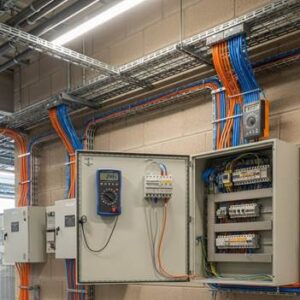
When building a new home or commercial space, one of the most critical aspects of construction is new construction electrical. Proper planning, wiring, and installation are essential for safety, efficiency, and long-term functionality. Whether it’s electrical wiring for a new home or a complete electrical installation for builders, ensuring every detail is correct is vital to avoid costly repairs and hazards later. In this guide, we’ll explore everything homeowners and builders need to know about modern construction wiring and building electrical systems.
Introduction: Why New Construction Electrical Services Matter
Electrical work in new construction is not just about connecting power; it’s about designing a system that is safe, scalable, and efficient. Improper installation can lead to frequent outages, circuit overloads, or fire hazards. Hiring professional electricians ensures that your house wiring meets local codes and provides a reliable foundation for your home’s electrical needs. LR Electrical specializes in handling all aspects of electrical installation, ensuring every project is done right the first time.
Planning Electrical Systems for New Builds
Before any wires are run, planning the electrical system is crucial. Proper planning involves mapping out circuits, outlets, lighting, and specialized systems like home automation or EV charging. Working with a licensed professional ensures your system can handle future upgrades, like additional appliances or smart home devices. Early planning also allows builders to coordinate with other contractors, avoiding delays and ensuring a seamless workflow.
For consultation or project planning, reach out to Contact Us.
Wiring and Circuit Design Essentials
One of the core components of any new construction project is electrical wiring. Choosing the right type of wiring and circuit layout is essential for safety and efficiency. Residential homes typically use a combination of 12- and 14-gauge wiring for lighting and outlets, while commercial projects may require higher-capacity construction wiring.
Professional electricians carefully design building electrical systems to prevent overloads and ensure optimal energy distribution. Structured wiring ensures that every outlet, switch, and appliance receives adequate power without compromising safety. By planning circuits strategically, your home or building will operate efficiently and remain safe for years to come. For full electrical services, check Electrical Services.
Electrical Panel Installation and Upgrades
Every electrical system depends on a properly installed and sized panel. The electrical panel, sometimes called the breaker box, distributes electricity safely throughout your home. In new construction, installing a correctly sized panel ensures that your house wiring and future appliances operate efficiently.
Panel upgrades are also essential for homes undergoing expansion or adding high-capacity appliances like HVAC units or EV chargers. A professional team like LR Electrical can provide a complete electrical installation for builders, including panel setup, breaker installation, and safety inspections. For projects with EV chargers, learn more at Electrical Vehicle Charger Installation.
Lighting and Outlet Planning

Strategic placement of lighting fixtures and outlets makes a huge difference in functionality and energy efficiency. Planning residential and commercial wiring should include:
- LED and energy-efficient lighting for lower utility bills
- Placement of outlets in convenient locations
- Integration of smart lighting and automation
- Specialty circuits for high-load appliances
Proper planning ensures that your home is functional and prepared for future technology upgrades. For examples of lighting and outlet projects, visit Gallery.
Safety Features in New Electrical Installations
Safety is paramount in new construction electrical projects. Modern homes require safety devices such as GFCI outlets, AFCI breakers, and surge protection systems. These features protect your home and family from electrical hazards and reduce the risk of damage to appliances. Licensed electricians follow strict codes to ensure electrical installation meets safety standards.
Common Challenges in New Construction Electrical Work
Even with careful planning, challenges can arise during construction wiring:
- Delays due to coordination with other contractors
- Cost overruns from changes in materials or layouts
- Unforeseen technical issues with load distribution
Experienced electricians solve these issues efficiently by using proper tools, planning for contingencies, and keeping communication open with builders and homeowners.
Energy-Efficient and Smart Electrical Solutions
Modern building electrical systems are no longer limited to basic power delivery. Homeowners increasingly demand energy-efficient solutions and smart home integration. Features like smart outlets, LED lighting, EV charger readiness, and home automation enhance convenience while reducing energy consumption. Proper planning during new construction ensures these systems are seamlessly integrated into your home’s wiring infrastructure.
Choosing a Licensed Electrical Contractor for Your Project
Selecting a professional electrical contractor is critical for success. Look for:
- Experience with new construction electrical
- Knowledge of local building codes
- Ability to handle electrical installation from panel to outlets
- Proven track record of completing projects on time and within budget
LR Electrical offers expert services, including house wiring, construction wiring, and complete electrical installation for builders. Their team ensures your project is safe, efficient, and future-ready.
Conclusion: Ensuring a Safe, Efficient, and Modern Electrical System

Investing in professional new construction electrical services pays off in safety, efficiency, and convenience. From planning electrical wiring and panel installation to integrating modern smart technologies, hiring licensed professionals ensures your home or commercial building is future-proof and code-compliant. Partnering with experienced electricians like LR Electrical guarantees your project will be executed correctly, safely, and on schedule.
FAQs
- Why is professional wiring important for new construction?
Professional wiring ensures safety, efficiency, and compliance with electrical codes. It also allows for future upgrades like smart home integration and EV chargers. - How do I know what electrical panel my new home needs?
A licensed electrician evaluates your home’s power requirements, number of circuits, and potential appliance loads to recommend the correct panel size. - Can I install my own outlets and wiring in a new construction home?
DIY wiring is risky and can violate building codes. Always hire licensed electricians for electrical installation to ensure safety and functionality. - What’s the difference between residential and commercial wiring in new construction?
Commercial wiring typically handles higher loads, more circuits, and specialized equipment, whereas residential wiring focuses on household outlets, lighting, and standard appliances. - How do I integrate energy-efficient solutions in my new construction home?
Work with your electrician early to plan LED lighting, smart outlets, and energy-efficient systems. Proper planning during construction ensures seamless integration.