
Introduction: Why Ceiling Fan Installation Matters
Ceiling fans are more than just decorative pieces—they are functional tools that enhance comfort, improve air circulation, and help reduce energy costs. Whether you live in a cozy Dover, DE home or a spacious property in Camden or Wyoming, knowing how to properly install a ceiling fan can make a significant difference in your living environment. Installing a ceiling fan may seem simple, but proper wiring, secure mounting, and balance are crucial to ensure safety and performance.
For homeowners considering a high ceiling fan installation, consulting a professional ceiling fan installer can ensure your fan works efficiently and safely. At LR Electrical, we provide expert guidance and professional installation services to make sure your fan is secure and fully functional.
Benefits of Installing a Ceiling Fan
Energy Efficiency and Cost Savings
A ceiling fan can help reduce your energy bills by allowing you to set your thermostat a few degrees higher in summer or lower in winter. By circulating air, fans reduce the need for constant heating or cooling, making them a smart, eco-friendly investment.
Enhanced Air Circulation and Comfort
Ceiling fans distribute air evenly throughout a room, eliminating hot or cold spots. This is especially useful in larger spaces where standard HVAC systems may not reach all corners effectively.
Stylish Home Upgrade
Modern ceiling fans come in various designs, sizes, and finishes. Installing a sleek ceiling fan can elevate the aesthetic of your living space, blending style with functionality.
Tools and Materials Needed for Ceiling Fan Installation

Before starting, gather essential tools for the job:
- Screwdrivers (flathead and Phillips)
- Voltage tester
- Ladder
- Wire strippers and connectors
- Mounting brackets and screws
Additionally, having the ceiling fan wiring diagram provided by the manufacturer ensures proper connections and avoids potential hazards.
Pre-Installation Safety Tips
Turning Off Power at the Circuit Breaker
Safety should always be your top priority. Before touching any wiring, turn off the power at the main circuit breaker. Use a voltage tester to confirm there is no live current.
Using Proper Ladder and Equipment
Ensure you have a stable ladder for reaching the ceiling. For high ceiling fan installation, consider an extension pole or professional help, as working at height increases the risk of injury.
Step-by-Step Ceiling Fan Installation Guide
Preparing the Mounting Area
Identify the proper location for your fan. For high ceilings, you may need an extended downrod to position the fan at the optimal height. Ensure your ceiling box is rated to support the weight of the fan.
Wiring Connections: Tips from LR Electrical
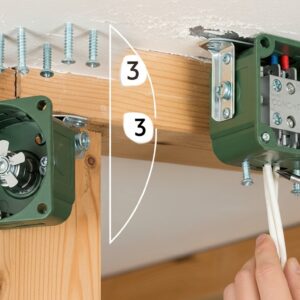
Correct wiring is crucial. Connect the fan wires to the home’s electrical system according to the color codes. Typically, black wires are for power, white for neutral, and green or bare for ground. For ceiling fan remote installation, additional receiver wires must be connected to ensure functionality.
Attaching the Fan Blades and Motor
Secure the fan motor to the mounting bracket, and attach the blades according to the manufacturer’s instructions. Tighten screws properly to prevent wobbling.
Securing the Light Kit (If Applicable)
If your fan includes a light kit, connect it according to the wiring diagram. Test the fan and lights before completing installation.
Troubleshooting Common Ceiling Fan Issues
Fan Wobbling or Noise
Wobbling may indicate unbalanced blades. Adjust the screws or use a balancing kit to stabilize the fan.
Remote or Wall Switch Malfunctions
Check connections for ceiling fan wiring or receiver issues if the fan is not responding. For ceiling fan remote installation, ensure batteries are installed and the remote is paired properly.
Electrical Connection Problems
Loose or incorrect wiring can cause flickering lights or non-functional fans. If unsure, contact a professional ceiling fan installer for safe troubleshooting.
Ceiling Fan Maintenance Tips for Longevity
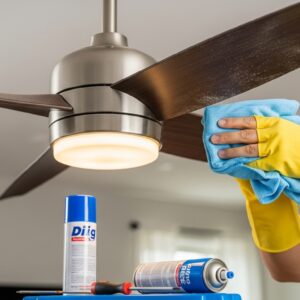
Regular maintenance ensures your fan operates efficiently. Clean blades monthly, tighten screws, and check wiring connections annually. Periodically inspect for dust accumulation in the motor housing to prevent overheating.
When to Call a Professional Electrician
While DIY installation is possible, certain situations require professional expertise:
- High ceiling fan installation for safety
- Ceiling fan replacement for older or damaged fans
- Complicated ceiling fan wiring issues
- Integration with other electrical upgrades
A licensed electrician ensures your fan meets safety codes and performs efficiently. Contact LR Electrical for professional assistance in Dover, Camden, Wyoming, or Milford, DE.
Integrating Ceiling Fans with Other Electrical Upgrades
Ceiling fans can complement other electrical upgrades like:
- Installing EV chargers (Electric Vehicle Charger Installation)
- Upgrading home lighting (Electrical Services)
- Adding energy-efficient LED lighting to enhance fan usage
Showcase of Our Ceiling Fan Projects
At LR Electrical, you can view a gallery of our completed projects, including ceiling fan installations, custom lighting setups, and high ceiling fan installations. These examples showcase our commitment to quality, safety, and aesthetics.
Conclusion
Proper ceiling fan installation enhances comfort, improves energy efficiency, and adds style to your home. Whether you’re tackling ceiling fan replacement, high ceiling fan installation, or ceiling fan remote installation, hiring a professional ensures your fan operates safely and efficiently. With the right guidance from LR Electrical, your ceiling fan will provide years of reliable service while keeping your home comfortable year-round.
FAQs
- Can I install a ceiling fan myself?
Yes, if you’re comfortable with electrical work and follow proper safety steps. However, for high ceiling fan installation or complex wiring, a professional ceiling fan installer is recommended. - How do I know if my ceiling fan needs replacement?
If your fan wobbles, makes noise, or has electrical issues, it might be time for ceiling fan replacement. A professional can assess its condition. - Can I add a remote to my existing ceiling fan?
Absolutely. A ceiling fan remote installation kit can be added to most fans, but proper wiring is essential to ensure safety and functionality. - How often should I inspect my ceiling fan wiring?
Annual inspection is recommended to prevent hazards. Check blades, screws, and ceiling fan wiring for wear and tear. - What makes a professional ceiling fan installer worth hiring?
They ensure correct wiring, secure mounting, and compliance with safety codes, especially for complex or high ceiling fan installations.