

Kent County & Sussex County, Delaware
Custom Home Electrical Wiring
Building a custom home requires an electrical system designed for safety, reliability, and future expansion. If you’re building a new home in Kent County or Sussex County, Delaware, working with an experienced electrician is essential to ensure the wiring is installed correctly and passes inspection.
LR Electrical specializes in custom home electrical wiring for new construction homes across Delaware. We work with homeowners, builders, and contractors to install electrical systems designed to support modern power demands while meeting all current electrical code requirements.
From service installation to lighting layout and final trim-out, our focus is always on quality installation, proper circuit planning, and long-term performance.
Whether you’re remodeling a room, finishing a basement, or simply improving outdated lighting, our licensed electricians provide safe, code-compliant installation that enhances both function and style.
Complete Electrical Installation for Custom Homes
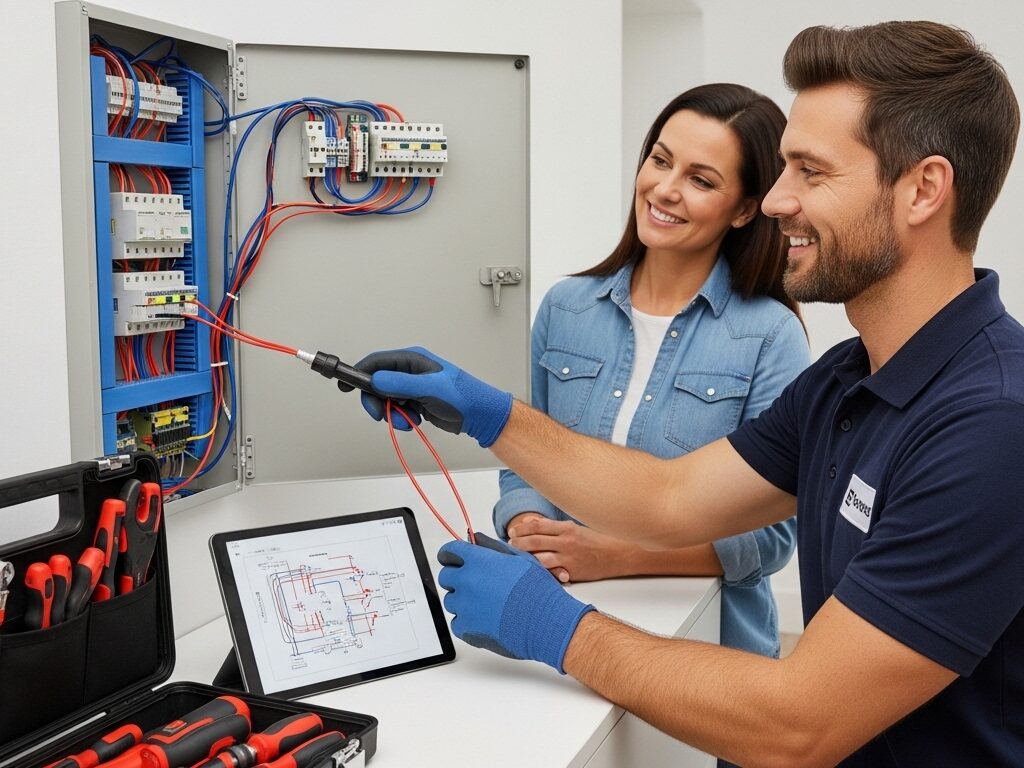
LR Electrical provides full electrical installation for new construction homes, including:
• Temporary construction power
• Underground electrical service installation
• Main electrical panel installation
• Rough-in wiring installation
• Lighting layout planning
• Ethernet and TV coax wiring
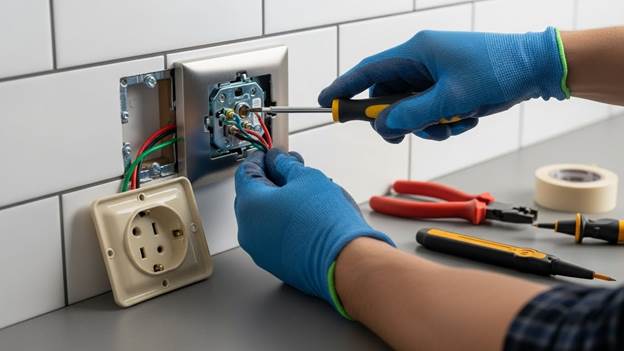
• Trim-out installation (switches, outlets, lighting fixtures)
• Electrical panel labeling and circuit identification
• Rough inspection and final electrical inspection coordination
All new construction homes require a rough electrical inspection and a final electrical inspection before the home can receive approval for occupancy.
We coordinate inspections through First State Inspection Agency to ensure the installation meets all required codes and safety standards.
Electrical Service Installation for New Homes
Most modern homes require larger electrical capacity to support appliances, HVAC systems, electric vehicles, and future upgrades.
200 Amp Electrical Service
A 200 amp service is standard for most new homes and provides enough power for typical residential electrical loads.
400 Amp Electrical Service
Larger custom homes often require 400 amp service, especially if the home will include:
• In-ground swimming pools
• Electric vehicle chargers
• Finished basements
• Detached garages or workshops
• Hot tubs or spas
• Residential elevators
• High-end kitchen appliances
Planning the correct electrical service during construction prevents expensive electrical upgrades later.
Smart Circuit Planning for Custom Homes
One of the most common problems in residential electrical systems is overloaded circuits caused by poor planning.
Many electricians who typically wire production homes only install the minimum number of circuits required by code in order to reduce costs.
At LR Electrical, we focus on long-term reliability and performance, not the minimum installation.
Our custom home wiring often includes:
• Dedicated circuit for each bedroom
• Dedicated circuit for kitchen island receptacles
• Dedicated circuits for refrigerators and microwaves
• Dedicated smoke detector circuit
• Additional circuits for high-demand equipment
• Proper kitchen appliance circuits
• Extra panel capacity for future expansion
This approach significantly reduces the risk of breaker trips and overloaded circuits in the future.
Lighting Design & Layout Planning
Lighting plays a major role in the comfort and design of a custom home. Before installation begins, we conduct a walk-through with the homeowner or builder to plan the lighting layout.
Lighting installations may include:
• Recessed lighting throughout the home
• Kitchen lighting layout
• Under-cabinet lighting
• Accent lighting
• Exterior lighting
• Landscape lighting
We also recommend high-quality recessed lighting products designed for long-term reliability and consistent performance
Modern Electrical Features for Custom Homes
Many homeowners today request additional electrical features during construction. Installing these systems during the building phase is significantly easier and more cost-effective than adding them later.
Common upgrades include:
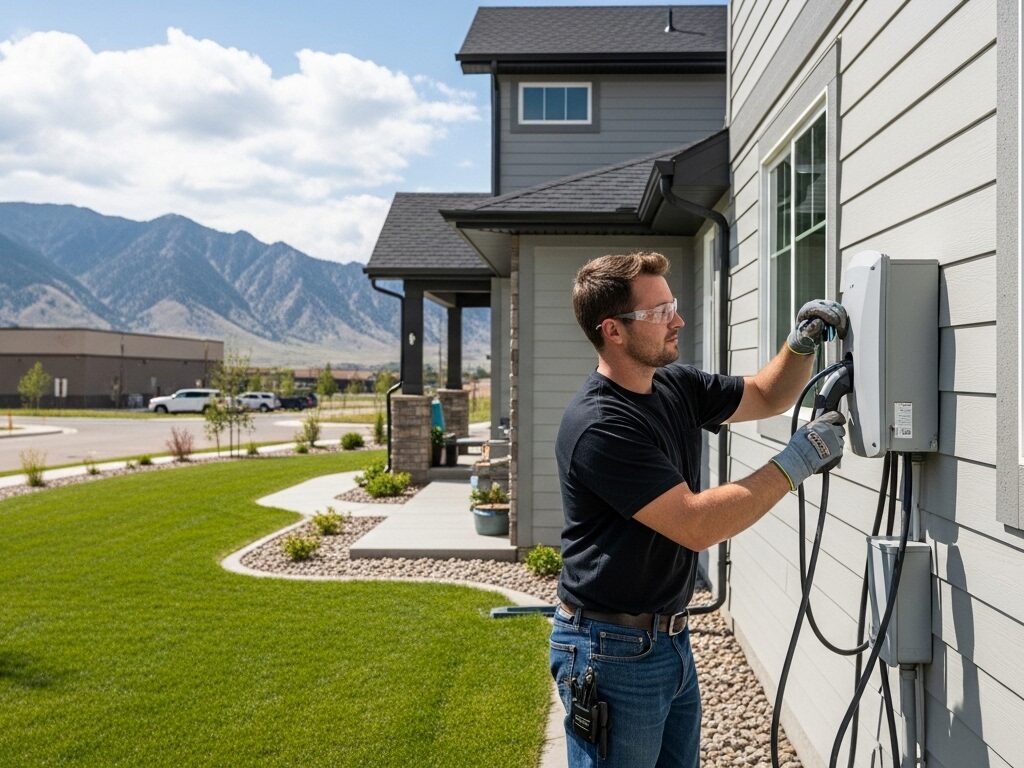
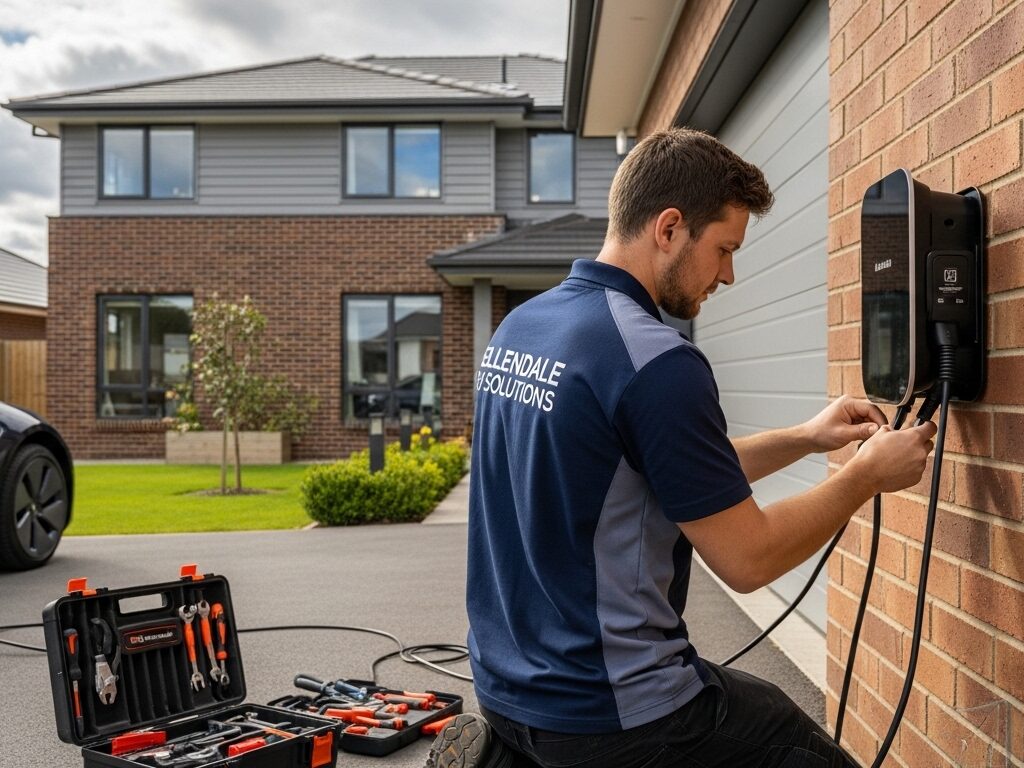
• Electric vehicle charger wiring
• Hot tub or spa wiring
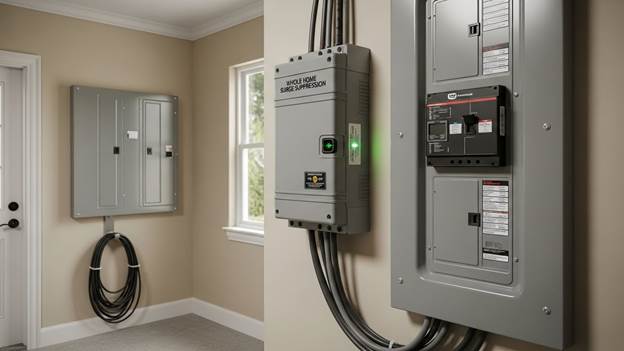
• Whole house surge protection
• Landscape lighting systems
• Ethernet data wiring
• TV coax wiring
• Residential elevator wiring
• Finished basement circuits
Planning these systems early ensures the electrical system can support them properly.
Power Your Home with a Professional EV Charger Installation – Schedule Today!
Electrical Panel Design & Future Expansion
A common mistake in new construction is installing electrical panels that are too small.
For example, some installations may include a 40-space panel, even though a 60-space panel would better support future upgrades.
At LR Electrical, we design electrical panels with future expansion in mind so homeowners can easily add:
• EV chargers
• Basement circuits
• Outdoor lighting systems
• Detached garage wiring
• Pool equipment circuits
Planning ahead prevents costly panel upgrades later
See How a Panel Upgrade Can Improve Your Home’s Electrical Safety and Capacity – Schedule Your Consultation Today!
Dedicated Kitchen Circuits for Modern Homes
Kitchens require careful electrical planning because of the number of appliances and electrical loads.
Our installations typically include:
• Dedicated circuits for kitchen island outlets
• Dedicated refrigerator circuits
• Dedicated microwave circuits
• Multiple countertop circuits
Proper kitchen circuit planning improves safety and ensures appliances operate reliably.
Low Voltage Wiring for New Construction
During construction, we also install structured low-voltage wiring systems including:
• Ethernet data wiring
• TV coax wiring
• Home network wiring systems
Running these cables during construction allows for a cleaner installation and better connectivity throughout the home.
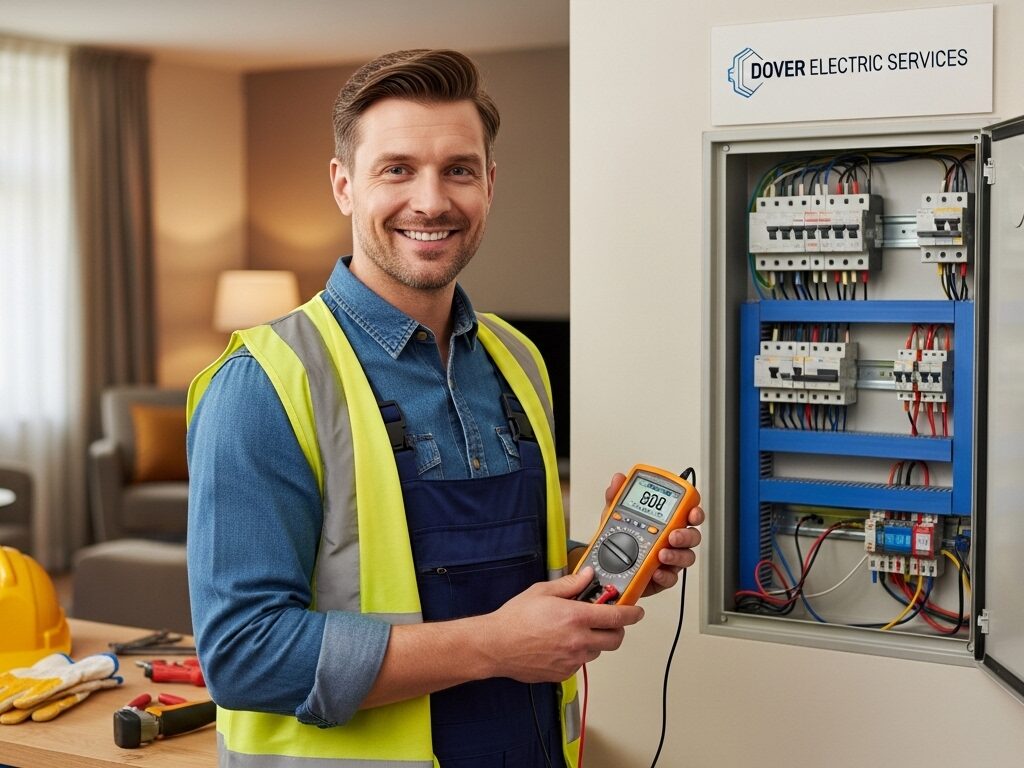
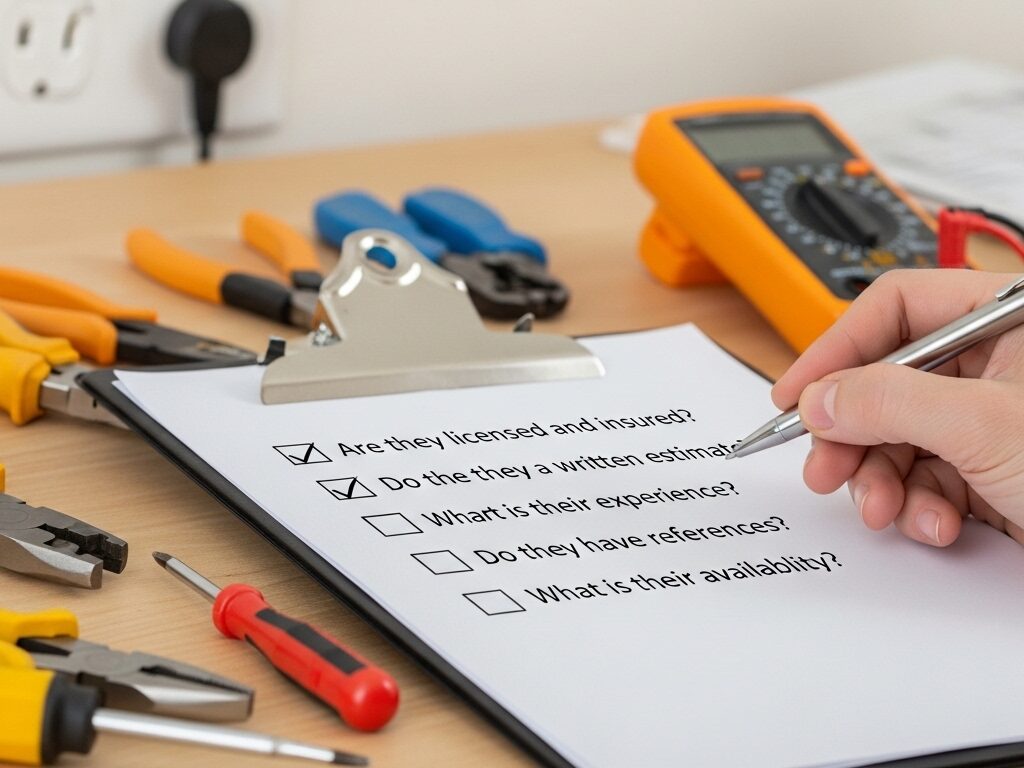
Always Hire a Licensed Electrician for Custom Homes
Electrical work for new construction must meet strict code requirements and pass inspections.
Homeowners and builders should always verify that their electrician:
• Holds a valid electrical license
• Pulls the proper electrical permits
• Schedules required inspections
• Has experience wiring custom homes
Hiring an unlicensed contractor can result in failed inspections, unsafe wiring, and costly repairs.
Why Builders & Homeowners Choose LR Electrical
Homeowners and builders trust LR Electrical because we prioritize quality workmanship and long-term reliability.
What sets us apart:
• Dedicated circuit for each bedroom
• Extra circuits for kitchen islands
• Dedicated smoke detector circuit
• High-quality recessed lighting installations
• Proper electrical panel planning
• Clean and organized wiring installations
• 3-year labor warranty
Our goal is to build electrical systems that perform reliably for decades.
Custom Home Electrical Services in Delaware
LR Electrical provides custom home electrical wiring throughout Delaware including:
Kent County
- Kent County
- Dover
- Camden
- Smyrna
- Magnolia
- Felton
- Milford
Sussex County
- Lewes
- Rehoboth Beach
- Georgetown
- Seaford
We work with homeowners, builders, and contractors across Delaware to deliver reliable custom home electrical systems.
Schedule a Custom Home Electrical Consultation
If you are building a new home and want an electrical system designed for reliability and future expansion, LR Electrical can help.
Our team works closely with homeowners and builders to ensure the electrical installation is completed correctly, inspected properly, and built to support modern electrical demands.
Contact LR Electrical today to schedule a consultation.
Upgrade Your Home’s Lighting Today – Schedule Your Recessed Lighting Installation Consultation!
Frequently Asked Questions.
How much electrical service does a new home need?
Most new homes require a 200-amp service, while larger homes with pools, EV chargers, or detached garages may require 400-amp service.
Do custom homes require electrical inspections in Delaware?
Yes. All new homes must pass a rough electrical inspection and final inspection before the home can be approved for occupancy.
Should bedrooms have dedicated circuits?
Installing dedicated circuits for bedrooms can help prevent overloaded circuits and improve the reliability of the electrical system.
Can EV chargers be installed during construction?
Yes. Planning EV charger wiring during construction is much easier and less expensive than installing it later.