
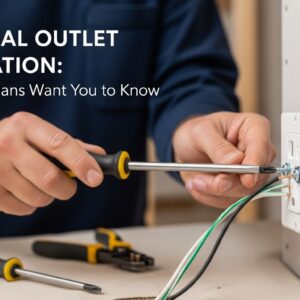
Electrical outlets are one of those elements in your home or office that you use every day, yet they often go unnoticed—until something goes wrong. Whether it’s a flickering socket, a malfunctioning GFCI outlet, or the need for a new outlet installation for modern appliances, understanding electrical outlet installation is crucial. At LR Electrical, we specialize in power outlet installation, ensuring safety, efficiency, and reliability for both residential and commercial properties.
In this guide, we’ll walk you through what homeowners and business owners must know before installing, upgrading, or replacing electrical outlets.
Types of Electrical Outlets and Their Uses
Electrical outlets are not one-size-fits-all. Knowing the different types can help you determine which outlets are best for your needs:
- Standard Outlets: Common in most homes, perfect for lamps, electronics, and small appliances.
- GFCI Outlets: Ground Fault Circuit Interrupters protect against electrical shocks in bathrooms, kitchens, and outdoor areas.
- AFCI Outlets: Arc Fault Circuit Interrupters prevent electrical fires by detecting hazardous arcs.
- USB-Integrated Outlets: Provide convenient charging for phones, tablets, and other devices without adapters.
Choosing the right type of outlet is a critical first step in any residential outlet installation.
Signs Your Home Needs Electrical Outlet Upgrades
Even if your outlets appear to work fine, there are warning signs that indicate it’s time to consider outlet replacement services:
- Flickering lights or sparks when plugging in devices
- Loose or wobbly outlets
- Frequent tripping of circuit breakers
- Outdated two-prong outlets without grounding
- Overloaded outlets in high-traffic areas
If you notice any of these, scheduling professional electrical outlet installation is a smart move to prevent hazards.
Step-by-Step Process of Professional Electrical Outlet Installation
A professional outlet installation involves more than just screwing in a new outlet. Here’s a typical process our licensed electricians follow:
- Inspection: Evaluate the existing wiring and identify any safety concerns.
- Power Shutoff: Ensure the circuit is completely de-energized to prevent accidents.
- Removal of Old Outlet (if necessary): Safely remove the old outlet and assess the electrical box.
- Wiring Setup: Connect the new outlet according to code standards for either residential outlet installation or commercial outlet installation.
- Secure Installation: Mount the outlet securely and attach the cover plate.
- Testing: Test the outlet for proper functionality and grounding.
Professional installation reduces the risk of electrical hazards and ensures your new outlet will last for years.
Common Mistakes Homeowners Make During DIY Installations

DIY outlet installation might seem simple, but mistakes can be dangerous:
- Failing to turn off the power completely
- Using the wrong gauge of wire
- Incorrectly connecting the hot, neutral, and ground wires
- Overloading outlets with too many devices
- Neglecting code compliance for GFCI or AFCI outlets
Avoid these risks by hiring a licensed electrician from LR Electrical.
Electrical Outlet Installation for Specialty Devices
Certain devices require special considerations during installation:
- EV Chargers: Installing a dedicated outlet for an electric vehicle requires proper amperage and grounding. See our EV charger installation services.
- Kitchen Appliances: Heavy-duty outlets for microwaves, ovens, or refrigerators need correct amperage.
- Home Offices: Additional outlets for computers, monitors, and printers may require dedicated circuits.
Professional installation ensures your outlets safely handle the load of modern technology.
Safety Tips Every Homeowner Should Know
Safety should always be your top priority. Here are some essential tips:
- Always use outlets with proper grounding.
- Install GFCI outlets in wet areas.
- Avoid daisy-chaining power strips.
- Periodically check outlets for wear or overheating.
- Upgrade old two-prong outlets to modern three-prong versions.
These precautions protect both your family and your property from electrical hazards.
Benefits of Hiring Licensed Electricians for Outlet Installation

Hiring a licensed electrician ensures your installation is:
- Safe and Code-Compliant: Electrical codes are constantly updated to prevent hazards.
- Reliable: Outlets installed professionally are less likely to fail or spark problems.
- Efficient: Installation is done quickly and correctly the first time.
For any type of outlet service, whether it’s power outlet installation, new outlet installation, or outlet replacement services, professional electricians are your safest choice.
Maintenance Tips for Long-Lasting Electrical Outlets
Maintaining your outlets can extend their life and prevent costly repairs:
- Check for loose connections regularly
- Avoid overloading outlets with multiple devices
- Replace damaged cover plates immediately
- Schedule periodic inspections with LR Electrical
Proper maintenance keeps your home safe and ensures your electrical system functions optimally.
Gallery of Electrical Outlet Installations
See examples of our professional work in our gallery. Whether it’s a residential outlet installation or commercial outlet installation, our team takes pride in quality workmanship.
Conclusion
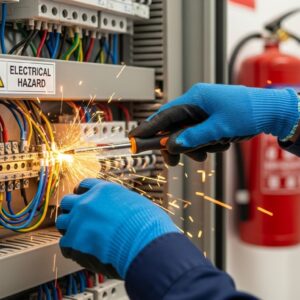
Electrical outlet installation may seem simple, but it’s an essential component of a safe and functional home or office. From upgrading old outlets to installing specialty outlets for EV chargers or heavy appliances, professional installation ensures safety, efficiency, and reliability. By choosing LR Electrical, you can count on licensed electricians to provide expert residential and commercial outlet installation, outlet replacement services, and ongoing maintenance. Don’t compromise on safety—invest in professional electrical services today.
FAQs
- Can I install a new outlet myself?
While minor DIY work is possible, installing new outlets involves electrical risks. Hiring a licensed professional ensures safety and code compliance. Contact LR Electrical for expert service. - How often should I upgrade my outlets?
Outlets should be inspected regularly. If you notice flickering, loose sockets, or frequent breaker trips, it’s time for replacement. - What is the difference between residential and commercial outlet installation?
Residential outlets handle typical home loads, whereas commercial installations often require higher amperage, specialized circuits, and safety considerations for multiple users. - Are GFCI outlets necessary for every room?
GFCI outlets are recommended for bathrooms, kitchens, garages, and outdoor areas to protect against electrical shocks. - How long does a professional outlet installation take?
Depending on the complexity, installation usually takes 30–60 minutes per outlet. Specialized installations like EV chargers may take longer. Schedule with LR Electrical for accurate timing.