
Introduction: Understanding EV Charger Power Requirements
With the rise of electric vehicles (EVs) in Ellendale, homeowners and businesses are increasingly investing in home EV charger installation. Knowing how much power your charger requires is essential to ensure safe operation and avoid overloading your electrical system.
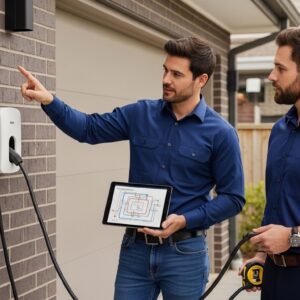
A professional Level 2 EV charger installer can assess your property, determine electrical capacity, and provide recommendations for an optimal installation. From residential homes to commercial spaces, understanding power needs is the first step toward a reliable EV charging setup.
Types of EV Chargers and Their Power Demands
Different chargers require varying levels of electrical power, so it’s important to match the charger to your property and driving habits.
Level 1 Chargers
- Use a standard 120V outlet
- Ideal for overnight charging or minimal daily driving
- Low electrical demand but slower charging speed
Level 2 Chargers
- Operate on 240V circuits, offering faster charging
- Preferred choice for residential EV charging solutions and commercial properties
- Require a dedicated circuit and professional installation by a licensed electrician for EV charger installation
Commercial Chargers
- Designed for multiple vehicles or high-frequency charging
- High electrical load requiring significant panel capacity
- Typically installed by certified electric vehicle charger installation professionals
Assessing Your Property’s Electrical Capacity
Before scheduling home EV charger installation, evaluate your electrical system:
- Panel Size: Older homes may require panel upgrades to handle Level 2 chargers.
- Circuit Availability: Ensure sufficient space for dedicated circuits.
- Residential vs Commercial Needs: Residential setups typically need less power than commercial installations, but both require professional assessment.
A licensed Level 2 EV charger installer can perform a thorough evaluation to determine if your system can handle the additional load safely.
Calculating Power Requirements for EV Chargers
Understanding the key electrical concepts helps in estimating the power your charger needs:
- Voltage: Level 2 chargers typically operate at 240V
- Amperage: Determines the charging speed; common Level 2 chargers require 30–50 amps
- Kilowatts (kW): Represents total power consumption; higher kW chargers reduce charging time
By assessing your EV’s battery capacity and daily driving patterns, a licensed electrician for EV charger installation can recommend the appropriate charger size and ensure your system is not overloaded.
Hiring a Qualified EV Charger Installer.
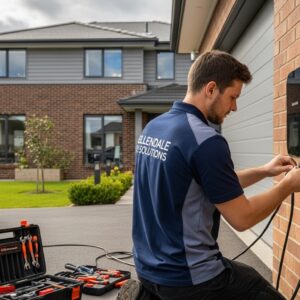
Professional installation is critical for safety, efficiency, and compliance with local electrical codes. Here’s what to look for:
- Licensing and Certification: Always hire a licensed electrician for EV charger installation.
- Experience: Choose installers experienced in residential EV charging solutions and commercial setups.
- References: Check testimonials or past project examples to ensure quality service.
Working with a certified Level 2 EV charger installer guarantees your electric vehicle charger installation safe, efficient, and fully compliant.
Upgrading Your Electrical System for EV Charging
If your existing system cannot support a Level 2 charger, upgrades may be necessary:
- Panel Upgrades: Installing a higher-capacity electrical panel
- Circuit Additions: Dedicated circuits for each charger
- Compliance: Ensuring all installations meet Wyoming electrical codes
Though upgrades may involve extra costs, they increase safety, reduce risks, and support faster charging for years to come. A professional Level 2 EV charger installer can provide accurate estimates and handle the entire process.
Tips for Optimizing Your EV Charging Setup
Maximize efficiency and reduce electricity costs with these strategies:
- Charge During Off-Peak Hours: Lower electricity rates and reduce load on the grid
- Energy-Saving Chargers: Use smart chargers to monitor usage and optimize charging schedules
- Regular Maintenance: Inspect cords, outlets, and the charging station periodically
- Professional Consultation: Ensure your setup aligns with your EV’s power requirements
These practices make residential EV charging solutions more convenient and cost-effective.
Common Mistakes to Avoid During EV Charger Installation
Avoid these common pitfalls:
- DIY Installation: Improper setup can cause electrical hazards or void warranties
- Overloading Circuits: Installing a charger without assessing electrical capacity can lead to outages or fire risks
- Ignoring Local Codes: All installations must comply with Wyoming regulations
- Using Unlicensed Installers: Hiring uncertified personnel can compromise safety and insurance coverage
Conclusion:
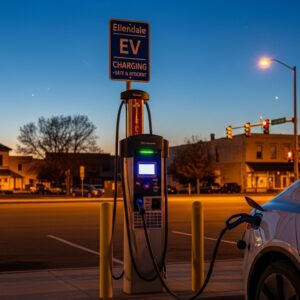
Installing an EV charger requires careful planning and professional expertise. By working with a licensed electrician for EV charger installation, you ensure your home EV charger installation in Ellendale is safe, efficient, and compliant with all regulations.
From residential EV charging solutions to commercial setups, professional installation enhances convenience, safety, and long-term reliability. Don’t compromise on your EV charging experience—invest in expert service today.
FAQs
- How much power does a Level 2 EV charger require for home use in Ellendale?
Level 2 chargers typically use 240V and 30–50 amps, providing faster charging than standard outlets. - Can I install a charger myself?
DIY installation is not recommended. Always hire a licensed electrician for EV charger installation to ensure safety and compliance. - Do I need to upgrade my electrical panel for EV charging?
It depends on your panel capacity. A professional Level 2 EV charger installer can assess your system and recommend upgrades if needed. - Are there solutions for multiple residential EVs?
Yes, professional residential EV charging solutions can accommodate multiple vehicles with smart chargers and dedicated circuits. - How do I choose the right EV charger installer in Ellendale?
Look for licensing, experience with both residential and commercial installations, verified references, and a proven safety record.