
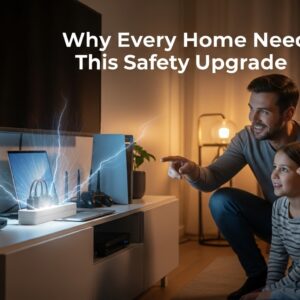
In today’s modern homes, our reliance on electronics and appliances has never been higher. From smart TVs and computers to refrigerators and HVAC systems, our homes are powered by countless electrical devices. But all this convenience comes with a risk — electrical surges. Even a minor surge can damage your electronics, cause costly repairs, or worse, create fire hazards. That’s why surge protector installation has become a must-have safety upgrade for every homeowner.
At LR Electrical, we specialize in professional surge protector installation and can guide you on how to safeguard your home using the right surge suppression system. Let’s explore everything you need to know before installing a surge protector in your home.
What is a Surge Protector and How Does It Work?
A surge protector is a device designed to protect your electrical appliances from sudden spikes in voltage. These spikes, also called surges, can happen due to lightning strikes, power outages, or faulty wiring. The device works by diverting excess electricity away from your appliances, effectively neutralizing potential damage.
There are different types of surge protectors, including plug-in devices and the more robust whole house surge protector. While plug-ins are great for individual devices, a whole house surge protector is installed at your electrical panel to safeguard your entire home. This is an ideal solution for homes with multiple electronics and sensitive equipment.
Common Causes of Power Surges in Homes
Power surges don’t just come from lightning strikes. While a direct lightning hit is dramatic, more common causes are everyday electrical issues:
- Faulty wiring: Older homes may have outdated or damaged wiring that leads to voltage spikes.
- Appliance overloads: Running multiple high-powered appliances simultaneously can strain your circuits.
- Utility company issues: Occasionally, fluctuations from the power grid can send unexpected surges into your home.
By understanding these causes, homeowners can make informed decisions about surge protection and overall electrical surge protection.
Signs You Need a Surge Protector Installation
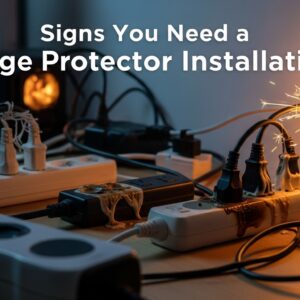
How do you know if your home is vulnerable? Here are a few warning signs:
- Flickering or dimming lights during normal use.
- Frequent tripping of your breaker panel.
- Appliances that fail prematurely or act strangely.
- Buzzing outlets or unusual smells near electrical devices.
If you notice any of these signs, it’s time to contact a licensed electrician at LR Electrical to discuss surge protector wiring and installation options.
Types of Surge Protectors for Homes
Surge protectors come in several forms. Understanding the differences helps you select the best system for your needs:
- Point-of-Use Surge Protectors: These are plug-in devices for specific appliances like TVs or computers.
- Whole House Surge Protectors: Installed at your electrical panel, these protect every circuit in your home. This option is highly recommended for homes with multiple electronic devices and valuable equipment.
- Combination Systems: Sometimes, a mix of point-of-use devices and a whole house surge protector offers the best protection.
Choosing the right system ensures that your home is safe from minor and major voltage spikes.
Step-by-Step Process for Professional Surge Protector Installation
Installing a surge protector isn’t just about plugging it in. It involves careful planning and precise execution:
- Assessment: A licensed electrician evaluates your home’s electrical system, existing wiring, and appliances.
- Panel Installation: For a whole house surge protector, the device is installed at the main electrical panel. Proper surge protector wiring ensures maximum protection.
- Testing: After installation, the system is thoroughly tested to confirm proper operation and functionality.
- Education: Homeowners are informed on how the system works, what warning signs to watch for, and maintenance tips for long-term protection.
Hiring professionals ensures that the surge suppression system is correctly installed and fully compliant with safety standards.
Maintenance Tips for Your Surge Protector
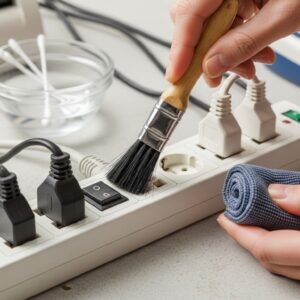
Once installed, maintaining your surge protector is key to its longevity:
- Regular Inspection: Have a licensed electrician perform periodic checks to ensure the system is working.
- Replace Aging Units: Surge protectors wear out over time and lose effectiveness after repeated surges.
- Monitor Appliances: Keep an eye on sensitive electronics and replace or repair any damaged devices promptly.
With proper maintenance, your home’s electronics will remain safe, and you’ll avoid costly repairs.
Benefits of Hiring a Professional Over DIY Installation
While some homeowners attempt DIY surge protector installation, the risks often outweigh the benefits:
- Improper installation can leave gaps in protection.
- Faulty wiring during installation can lead to electrical hazards.
- DIY systems may not meet local electrical codes.
Professional installation from LR Electrical ensures that your home receives comprehensive protection, avoiding potential accidents or costly damages.
Enhancing Home Safety with Additional Electrical Upgrades
Surge protectors work best when combined with other safety measures:
- GFCI outlets for bathrooms and kitchens.
- Circuit breaker upgrades to handle modern electrical loads.
- Proper grounding to reduce risk during power fluctuations.
By integrating these measures, you create a robust system that protects both your appliances and your home.
Conclusion: Secure Your Home with Surge Protector Installation
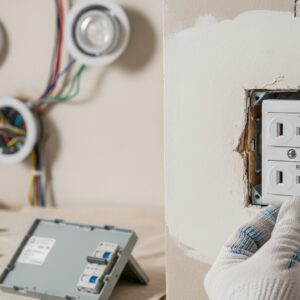
Electrical surges can strike without warning, and the damage can be extensive. Investing in a professional surge protector installation provides peace of mind, safeguards your electronics, and prevents costly repairs. At LR Electrical, we specialize in home ev charger installation, surge protection, and other electrical services to keep your home safe and efficient. Don’t wait until a surge damages your devices — contact us today to schedule your installation.
FAQs
- Can I install a surge protector myself?
While plug-in surge protectors are simple, a whole house surge protector should always be installed by a professional to ensure proper wiring and safety. Contact LR Electrical for expert installation. - How often should a surge protector be replaced?
A surge protector can wear out after multiple surges. We recommend inspecting it annually or after a major electrical event. - Will a surge protector protect all my devices?
A whole house surge protector combined with point-of-use devices provides the best protection for all electronics and appliances. - Can surge protectors prevent lightning damage?
While no system can completely prevent lightning damage, a professionally installed surge suppression system significantly reduces the risk. - Do surge protectors require maintenance?
Yes, periodic inspection by a licensed electrician ensures your system is functioning correctly and effectively protects your home.