

Whole House Generator Installation in Kent County: What Homeowners Need to Know
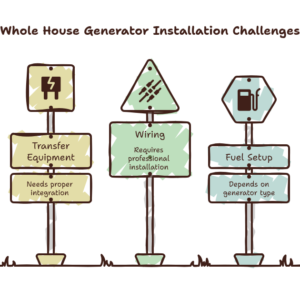
A power outage can stop more than your lights. It can shut down heating, cooling, food storage, pumps, and key systems in your home. Whole house generator installation in Kent County gives homeowners a way to keep essential circuits running when the grid goes down. But choosing a system is not just about buying a generator. You also need the right size, transfer of equipment, wiring, fuel setup, and installation. This guide explains how generators work, what installation involves, what affects project cost, and what to ask before hiring an electrical contractor. You will also learn how to prepare for installation.
Why Do Homeowners Need a Backup Generator?
A standby generator connects to your home electrical system and starts when the power fails. It can keep selected circuits or much of the home running, based on system size and setup.
It can support heating and cooling, refrigerators, pumps, lights, internet, and security systems. An electrician should review your panel and the circuits you want to power before a system is selected.
How Does the Installation Process Work?
A professional installation starts with a site review. The electrician checks your panel, available space, fuel source, and power needs.
-
Review Your Power Needs
List the systems you want during an outage. You may need basic circuits or most of the home covered. This affects generator size.
-
Check the Electrical Panel
The panel must work with the planned generator. Some homes may need electrical changes before connection.
-
Install the Transfer Switch
The transfer switch links the generator to the home’s electrical system. It helps prevent generator and utility power from feeding the home at the same time.
-
Connect and Test the System
The electrician connects the generator and related equipment. The system is tested to make sure it starts, transfers power, and returns to normal operation.
What Should You Consider Before Choosing a Generator?
Start with your home’s actual needs. A larger unit is not always the right choice. It should match the electrical load and how you plan to use the system.
Before you buy, consider:
- Which appliances must stay on?
- What fuel source will the system use?
- Where can the generator be placed?
- Does the current panel support the setup?
- Will new wiring or upgrades be needed?
A load review can help prevent an undersized system and avoid paying for capacity you do not need.
How Much Does Generator Installation Cost?
There is no single price for every home. Cost can change based on generator size, wiring distance, transfer equipment, fuel setup, site conditions, and electrical upgrades.
Have the property assessed first. Ask for a quote that explains equipment, installation work, and required upgrades.
What Should You Expect from Backup Generator Installation in Kent County?
When comparing local contractors, look for a service that covers more than placing the generator outside. Electrical work is a key part of a safe and useful system.
A good service should cover load assessment, transfer switch work, generator wiring, panel checks, system testing, and needed electrical upgrades.
For backup generator installation in Kent County, check that the contractor is properly licensed and insured. Ask who will perform the work and whether they have residential generator experience.
Where Should a Home Generator Be Installed?
The unit needs a suitable outdoor location. Placement depends on the equipment, home layout, fuel setup, and manufacturer’s instructions.
Keep the area clear and allow proper airflow. Exhaust must not enter the home through doors, windows, or other openings.
Do not choose a location based only on convenience. A qualified installer can help identify a suitable spot before you buy the equipment.
What Size Generator Does a Home Need?
Generator size depends on the loads you want to run. A smaller home with basic needs may require less capacity than a home with central air, electric heat, pumps, or other high-demand equipment.
A load review helps choose capacity. An electrician can identify running loads, starting loads, and priority circuits.
Do not rely only on an online calculator. Your home’s electrical setup matters.
Reliable Backup Power Starts with the Right Plan
A home generator can give you backup power when an outage affects your Kent County property. The right system should match a home, power needs, fuel setup, and electrical panel. Safe wiring and proper transfer equipment also matter. Whole house generator installation in Kent County is best handled by an experienced electrical contractor who can assess the site and test the system. LR Electrical can help homeowners review their needs, plan the work, and install a reliable backup system. If you are considering a generator, contact LR Electrical to discuss home, power goals, and installation needs before the outage.
Frequently Asked Questions
How long does a generator installation take?
Time varies by home. A simple project may take less time than one needing panel for changes, longer wiring runs, or other work. Your contractor should provide a timeline after the site review.
Can a generator power my entire house?
Yes, if the generator has enough capacity and the electrical system is designed for whole-home coverage. Some homeowners choose priority circuits instead.
Does a generator turn on automatically?
A standby system can start when it detects utility power loss. A transfer switch then moves the selected load to the generator. Operations vary by equipment.
Does my electrical panel need an upgrade?
Not always. It depends on the panel, its capacity, condition, and planned generator setup. An electrician should inspect it before installation.
How often should a home generator be tested?
Follow the manufacturer’s maintenance and testing instructions. Regular checks can help find problems before an outage.
Should I install a generator before storm season?
Planning early gives you time to assess the home, choose equipment, schedule electrical work, and fix site or panel issues. Waiting until an outage is expected can limit your options.